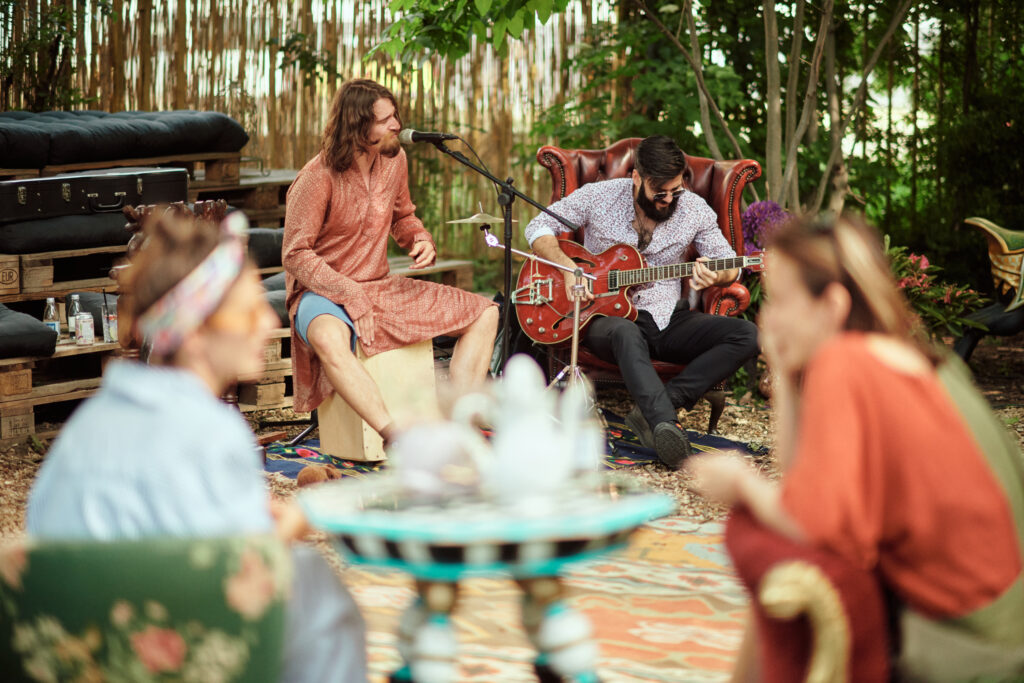
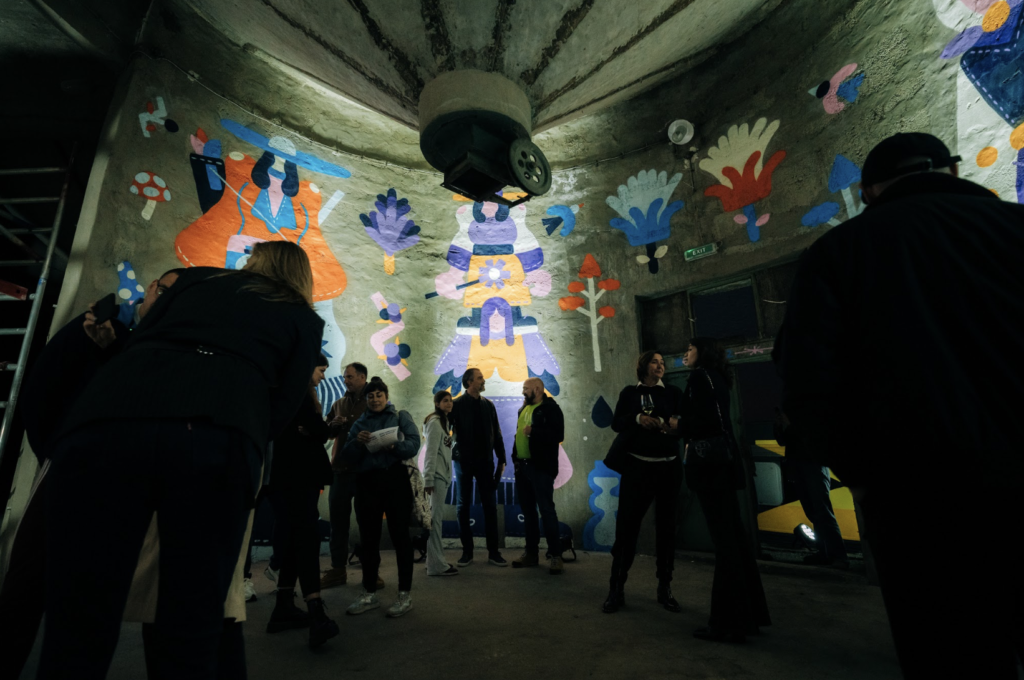
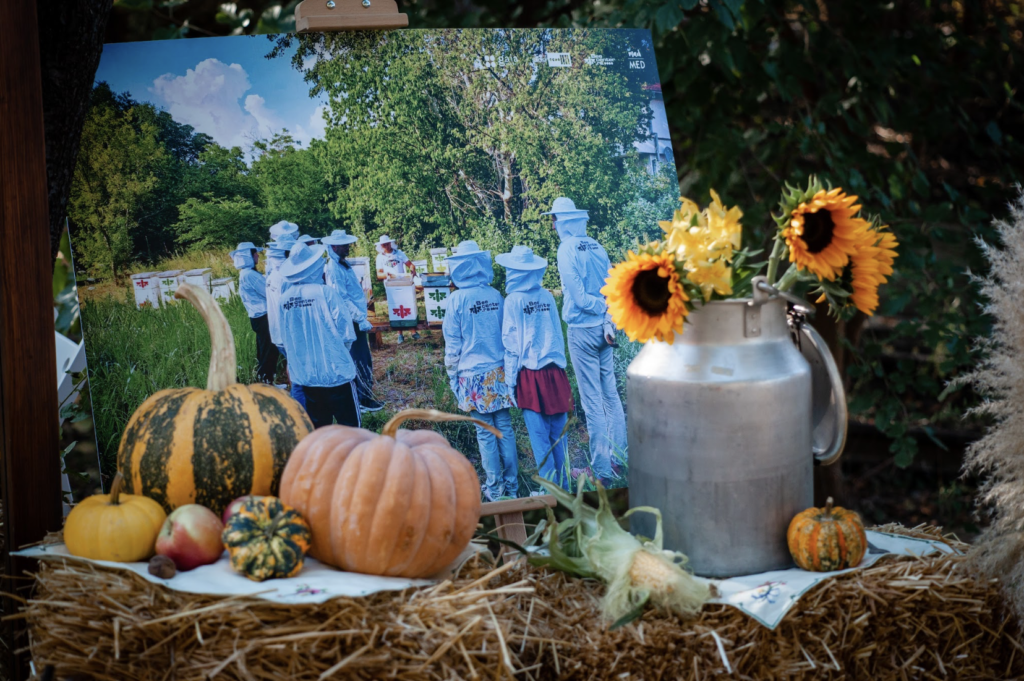
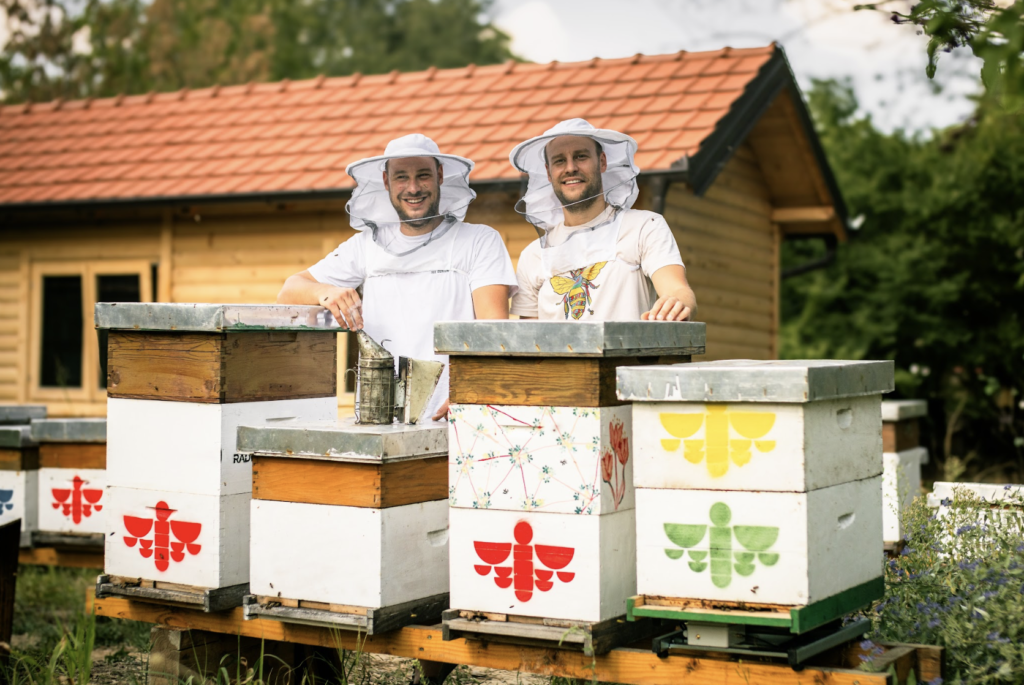
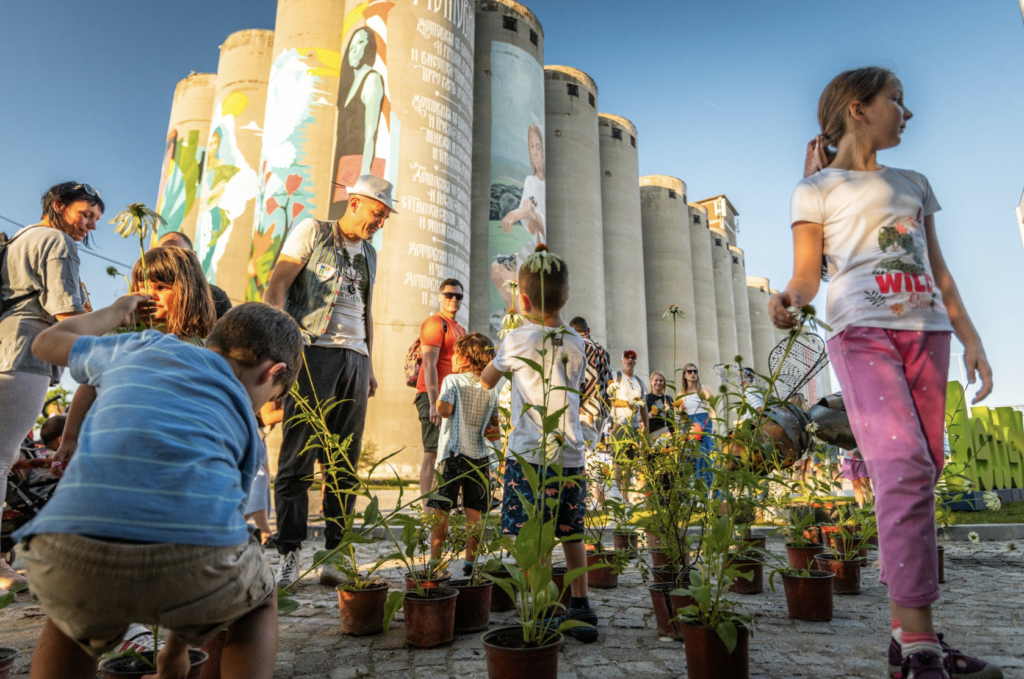
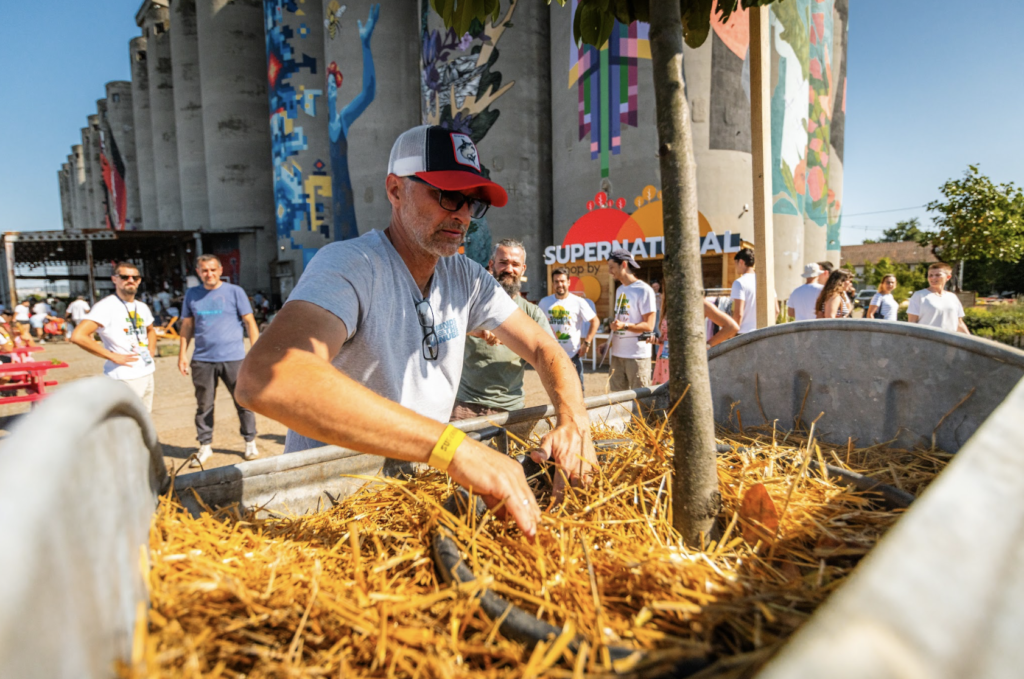
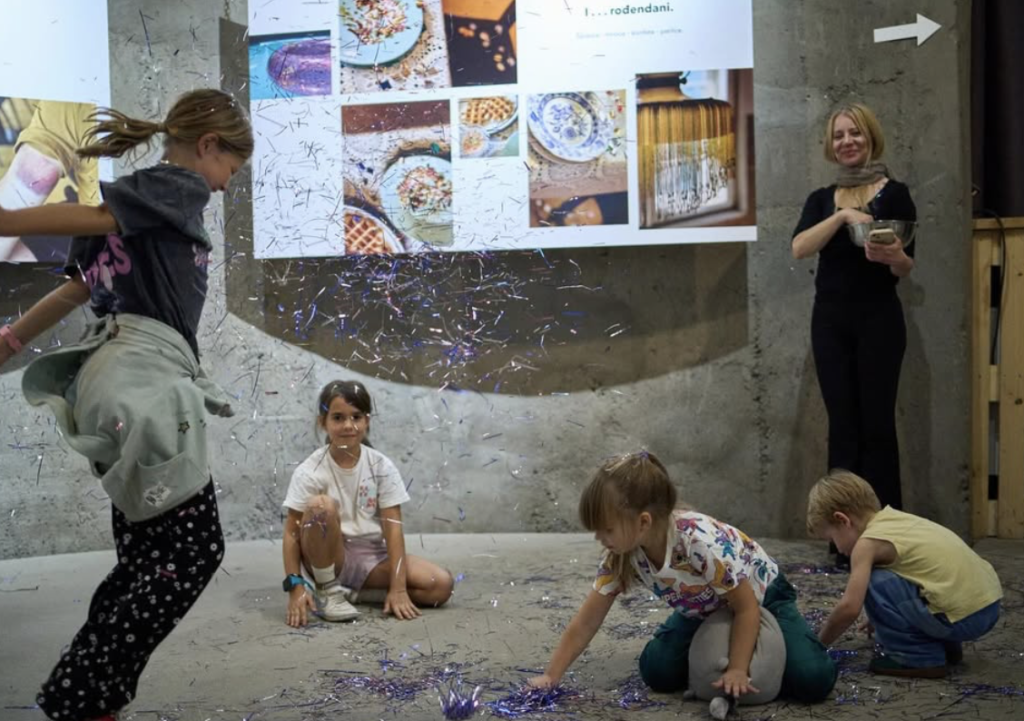
In our honey garden, between concrete that remembers and nature that is returning, we celebrated three years of work by the nonprofit organization GAIA POKRET.
Guided by the spirit of Alice in Wonderland, we stepped into a space where the real and the imaginary intertwine, where questions hold more value than answers, and creativity is just another name for freedom. Wonderland isn’t a theme — it’s a state of mind.
The Gaia pokret is a natural ally of that world. Energy, dedication, and faith in the cycles of growth have woven new life into Silosi: through community, ritual, soil, bees, art, and a constant reminder that a space breathes only as much as we allow it to.
Manifest. Create. Repeat. See you on the other side of the mirror ✨
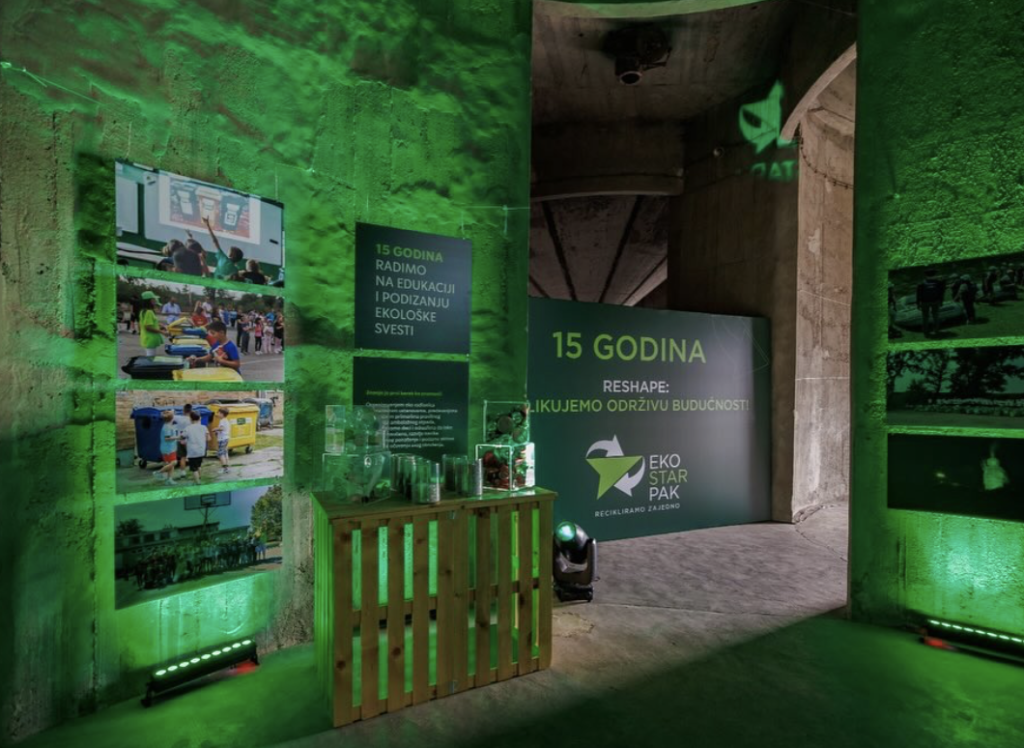
EkoStar Pak Celebrated 15 Years at Silosi Beograd
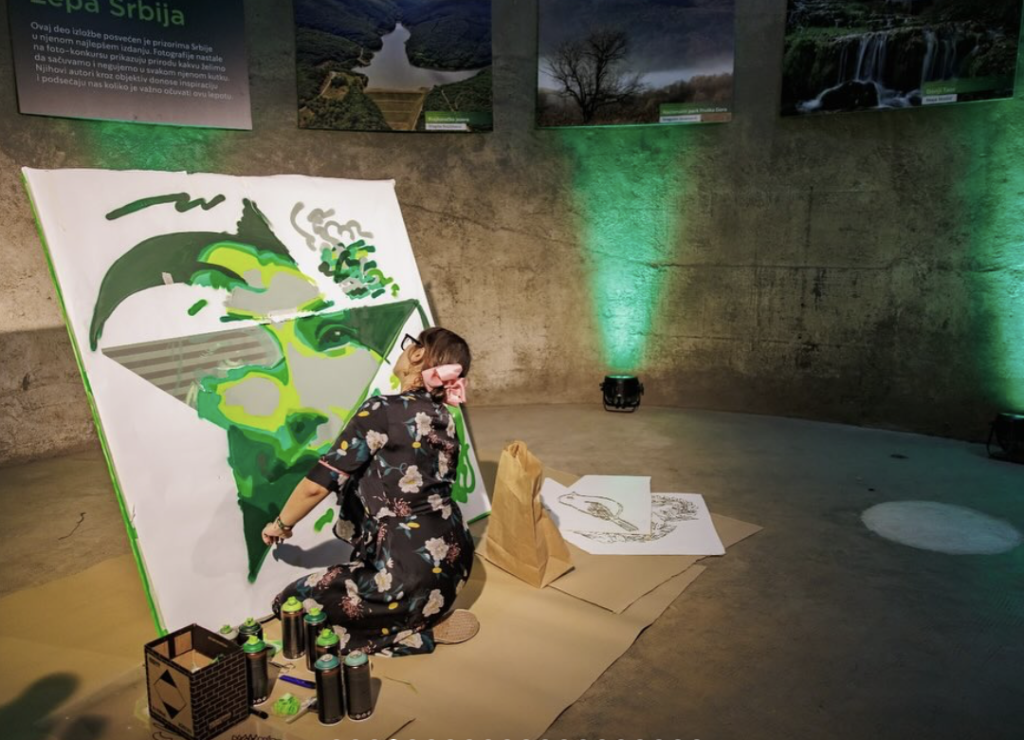
At Silosi Beograd and the Honey Garden, we had the honor of hosting an event marking 15 years of EkoStar Pak’s work. Their anniversary was an opportunity to highlight the value of resources and the importance of the circular economy through an exhibition, artworks, and interactive content.
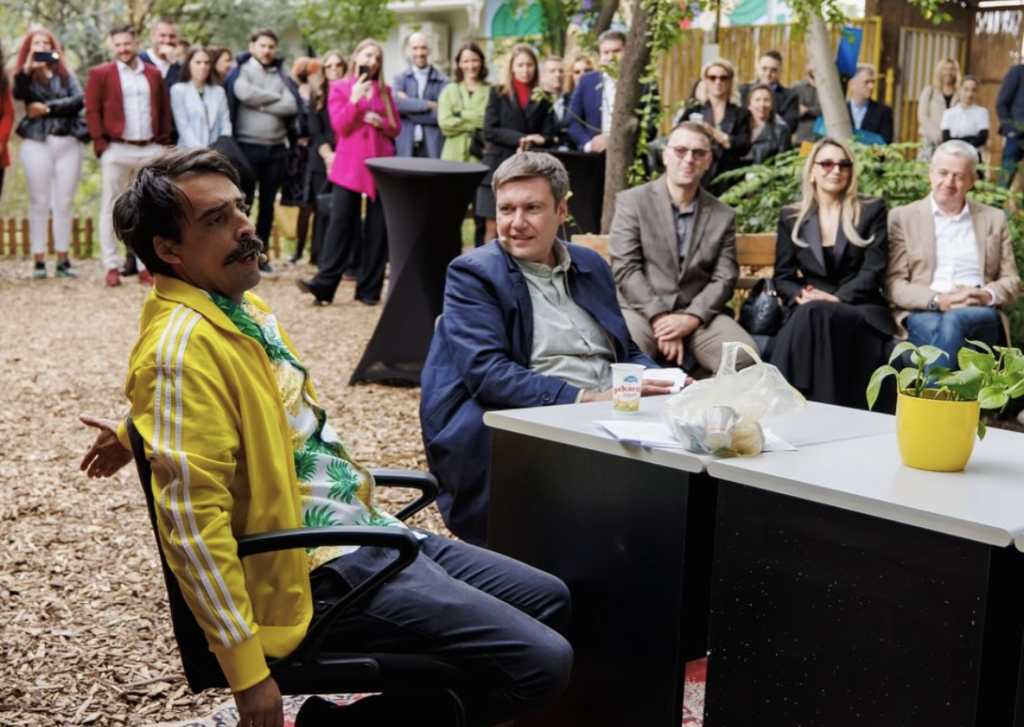
Artist Aleksandra TKV presented a piece that combines motifs of planet Earth and the EkoStar Pak logo, while the Državni posao team further entertained the attendees with their witty sketch.
During the event, there was also discussion about the importance of partnerships and the prospects of the circular economy in Serbia, with the participation of partners from CIREKON and EBRD.
Silosi was delighted to host this anniversary and to celebrate together with EkoStar Pak the results achieved through 15 years of dedication to sustainability.
Meli Garden Plots in the Honey Garden of Silosi
In the Honey Garden of Silosi Belgrade, Meli medicinal garden plots have been developed as a joint project of the Meli Plants organization, Momčilo Antonijević, the Gaia movement, and BeeCenter Silosi. This space is dedicated to preserving and promoting medicinal, aromatic, and honey plants, with the aim of connecting the urban environment, nature, and the community.
During spring, more than 40 species of medicinal and aromatic plants were planted in the Honey Garden, characteristic of the Dorćol area and the wider Belgrade region. The garden plots are designed as a place for learning, knowledge exchange, and meeting—a space where visitors can get to know the plants, their properties, and ways to use them in everyday life.
The construction of the Meli garden plots was carried out through joint work and the participation of a large number of people—children, parents, friends, and associates - further affirming the Honey Garden as a shared, living space. Through open days, workshops, and guided gatherings, visitors have the opportunity to learn directly from experts and practitioners, such as Dejan from Meli Plants and Momčilo Antonijević, who organize educational activities throughout the season.
The garden plots are being developed in line with principles of sustainability, cooperation, and care for nature, drawing on knowledge from botany, ecology, and beekeeping. Just as bees teach us about the power of togetherness, the Honey Garden of Silosi Belgrade is becoming a place where nature is nurtured through shared work, knowledge, and exchange.
Meli medicinal garden plots are an important part of Silosi Belgrade’s ecological and educational programs, opening space for new gatherings, learning, and connecting with nature in an urban environment.
“Art Mill” Opens in Silosi: New Mural by Adrian Manso
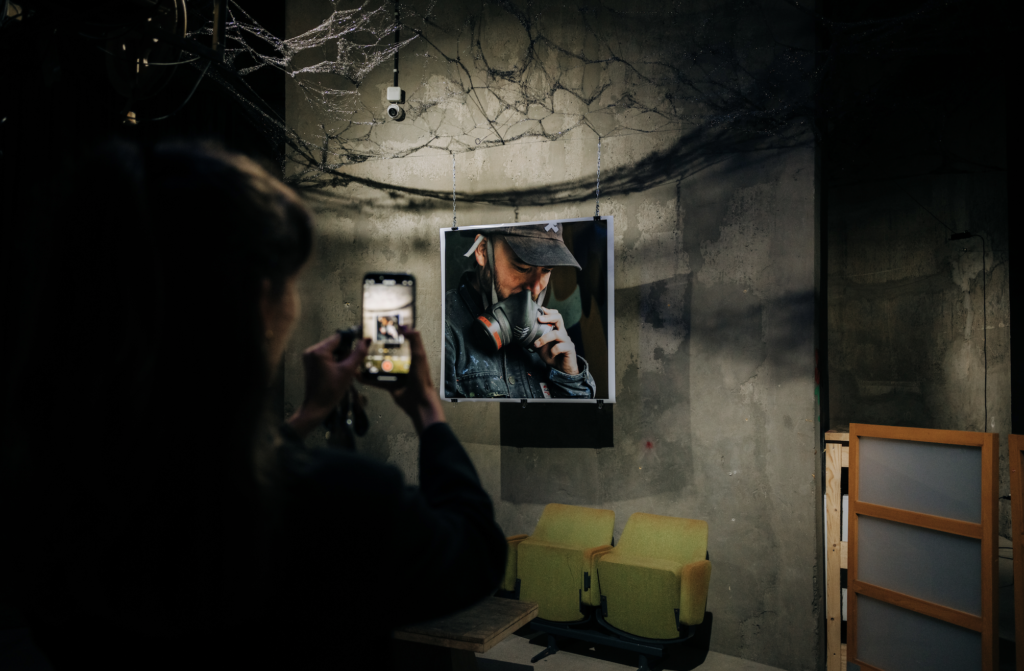
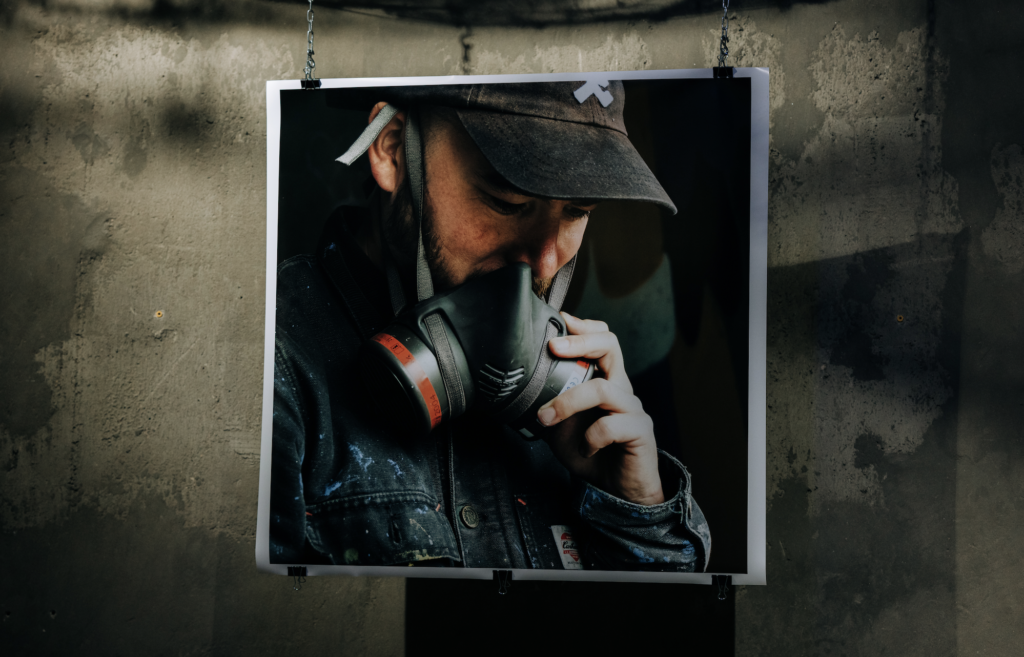
With the unveiling of a mural by French-Spanish artist Adrian Manso, known by the artistic name Bebop12, the new cultural factory - Art Mill, located in the fourth silo, officially began operating in Silosi.
Photo by Matija Borbelj
This mural, the first to be realized inside Silosi, marked the beginning of a long-term program through which the brutalist architecture of the industrial complex will become a space for hundreds of new artistic interventions. In this way, Art Mill is conceived as a place of continuous production, exchange, and presentation of contemporary street art.
Photo by Matija Borbelj
The mural’s theme is dedicated to public health, and is inspired by a story from Catalonia about women known as trementinaires- guardians of knowledge about medicinal plants, who for generations passed down the skills of preparing natural remedies. Through this narrative foundation, the artist connects tradition, nature, and the contemporary urban context, drawing as well on elements of Catalan ceramics as an important part of local cultural heritage.
Photo by Sofija Bošnjak
The mural was created as part of an international street art project that connects Belgrade and Barcelona through artist exchanges and artist residency programs, with the aim of nurturing local values and the authenticity of the space in which artistic interventions are created. Adrian Manso was selected through an open call by the B-Murals platform, and his work thematically and visually fits into the broader context of Silosi as a place where art, community, and ecology come together.
Photo by Sofija Bošnjak
The project was carried out in cooperation with the Saša Marčeta Foundation, the B-Murals platform from Barcelona and the Silosi Beograd Cultural Center, with the support of the Delegation of the Government of Catalonia for Southeast Europe. The new mural and the opening of Art Mill further confirmed Silosi as one of the key places for contemporary street art and international cultural exchange in Belgrade.
Photo by Sofija Bošnjak
Photo by Matija Borbelj
Lament over Belgrade
Photography exhibition by Zoran Mesarović
At Dom kulture Silosi Beograd, a photography exhibition by Zoran Mesarović titled Lament over Belgrade was held, produced by the Gaia pokret. The exhibition presented Belgrade from the air - from vantage points that until recently were inaccessible and almost unimaginable.
The installation consisted of around fifty large-format photographs, created using modern unmanned aircraft and advanced optics. This technological approach enabled the author to portray the city from an unusual closeness, while at the same time from a distance that leaves room for the viewer’s personal experience. The large formats, achieved by stitching multiple shots together and enhancing resolution, further intensified the sense of immersion in Belgrade’s urban landscape.
The exhibition brought city panoramas that testify to its constant changes, but also to the layered nature of its identity. From a bird’s-eye view, Belgrade reveals itself as a city of contrasts, history, and continuous transformation, where past, present, and glimpsed futures intertwine at the same time.
The exhibition title is inspired by the poem “Lament nad Beogradom” by Miloš Crnjanski, written in exile and imbued with a powerful longing and nostalgia. In that spirit, Mesarović’s photographs offer not only a documentary view of the city, but also an emotional record of Belgrade as an elusive, enduring, and eternally alive space.
The exhibition Lament over Belgrade was dedicated to a city that is constantly changing, yet remains recognizable to all who observe it, remember it, and love it.
New Mural Inspired by Lace and Heritage
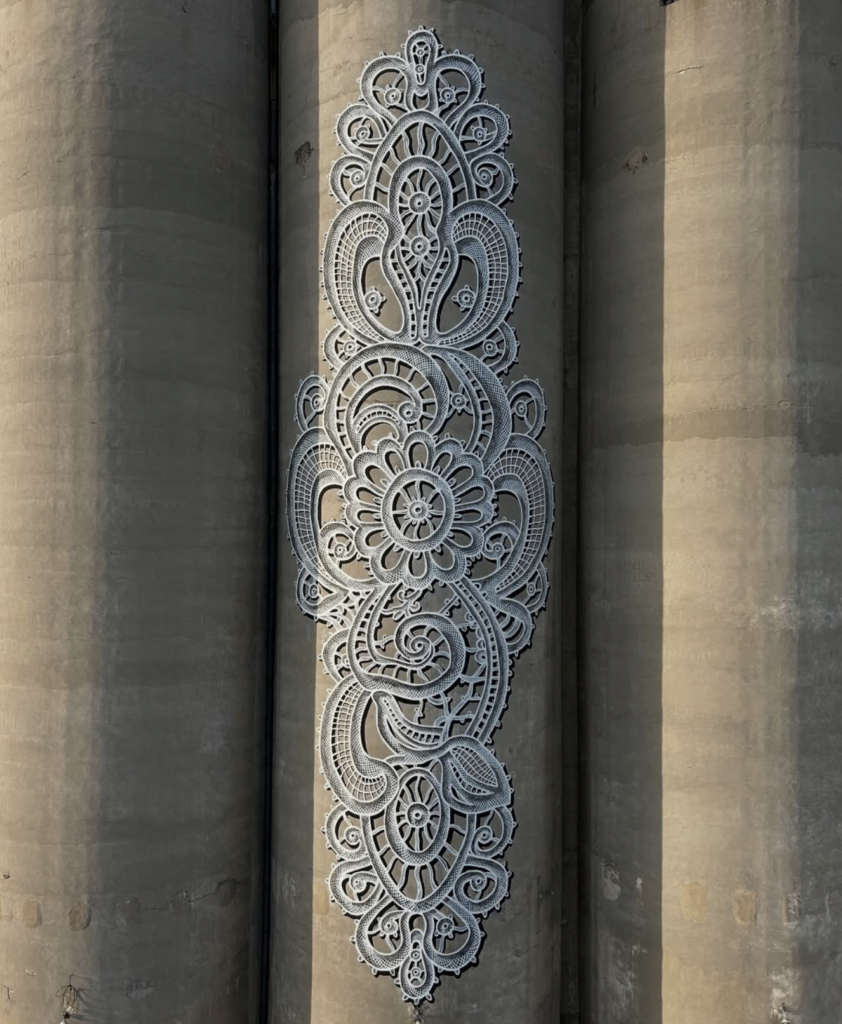
At Silosi Beograd, a mural by Polish artist Nespoon was created—one of the most recognizable contemporary artists whose works connect traditional motifs with a modern urban context. The mural was made on the raw concrete of the silos and represents a lace-like ornament inspired by historical textile heritage.
The lace motif is based on a pattern from the early 19th century, which the artist discovered during a visit to the Ethnographic Museum in Belgrade. A former clothing detail, tied to the everyday life and identity of women, was transferred into a monumental format and placed in the industrial landscape of Silosi, creating a powerful contrast between the delicate ornament and the massive architecture.
Work on the mural posed a special challenge due to the height of the surface and working directly on unfinished concrete, but it was precisely this immediacy that became a key part of the process and the final expression. The mural was created to mark Europe Day in Serbia and is part of the broader vision of Silosi as the future largest urban gallery of silo murals.
The process of creating the mural was also marked by close collaboration and joint work between the artist and her husband, Marcin Rutkiewicz, whose support and presence provided a space of safety, focus, and freedom in creation. From that process, in addition to the artwork, a lasting bond with Silosi emerged—based on trust, togetherness, and mutual respect.
Nespoon’s mural today remains a permanent part of Silosi Beograd—a quiet, precise, and powerful intervention that brings together heritage, contemporary art, and industrial space.
Nature Bazaar in the Honey Garden of Silosi Belgrade
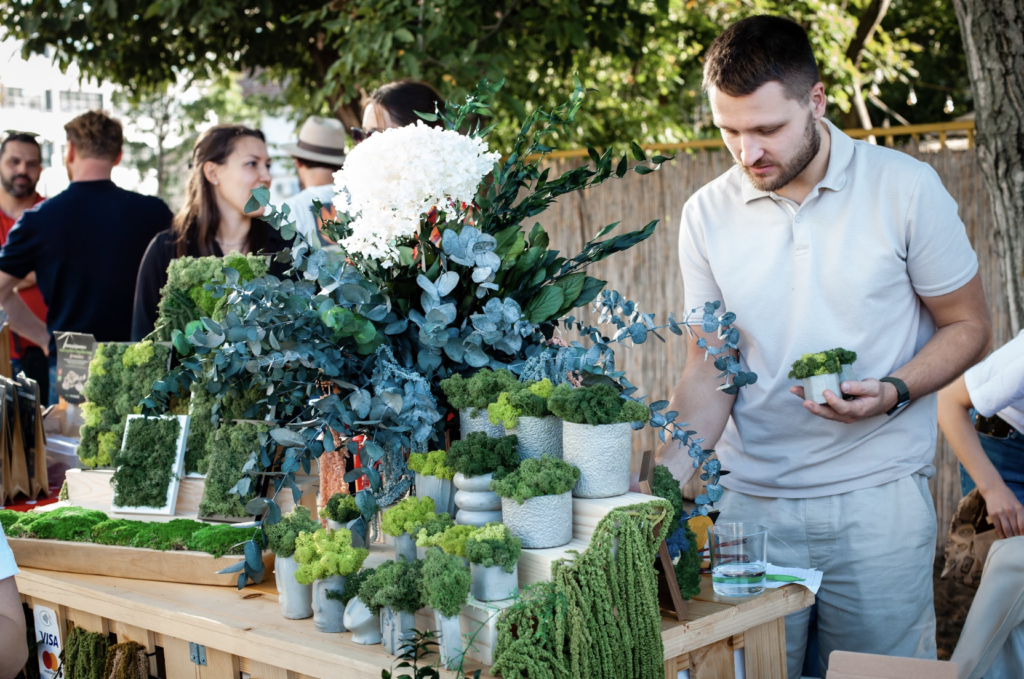
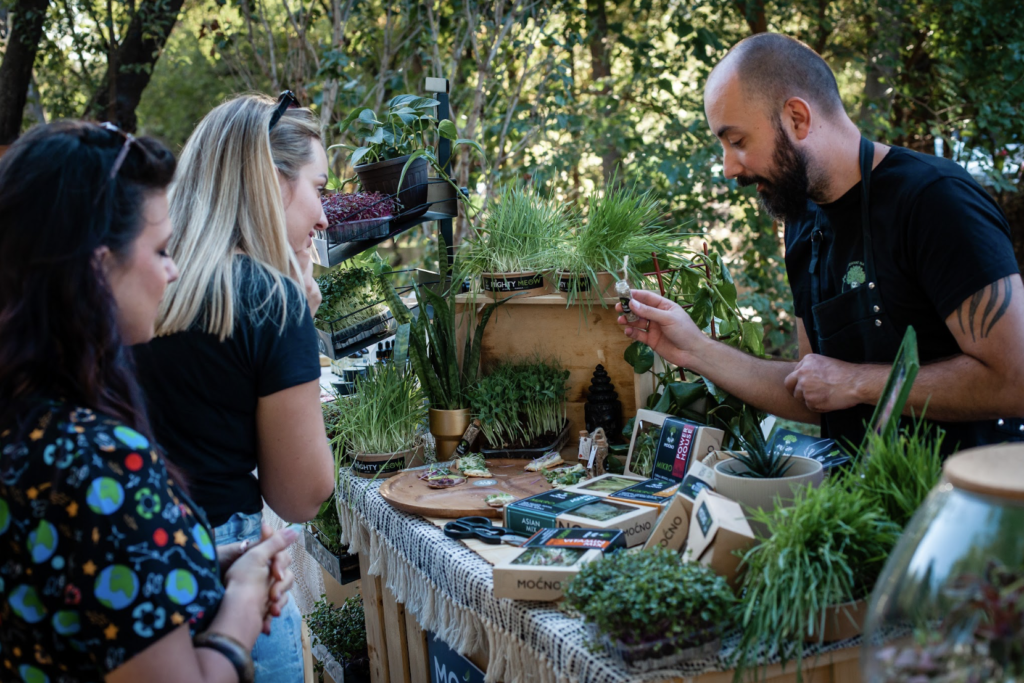
A place where nature, creativity, and community go hand in hand. The Naturalists’ Bazaar brings together everyone who can’t imagine life without nature—from beekeepers and herbalists to artists and producers inspired by nature.
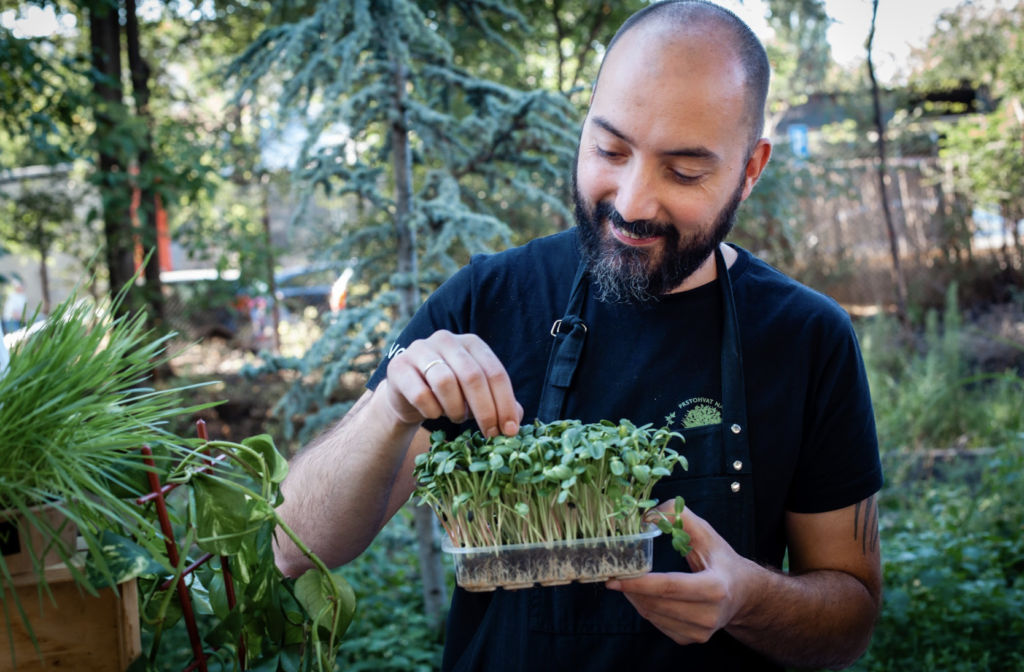
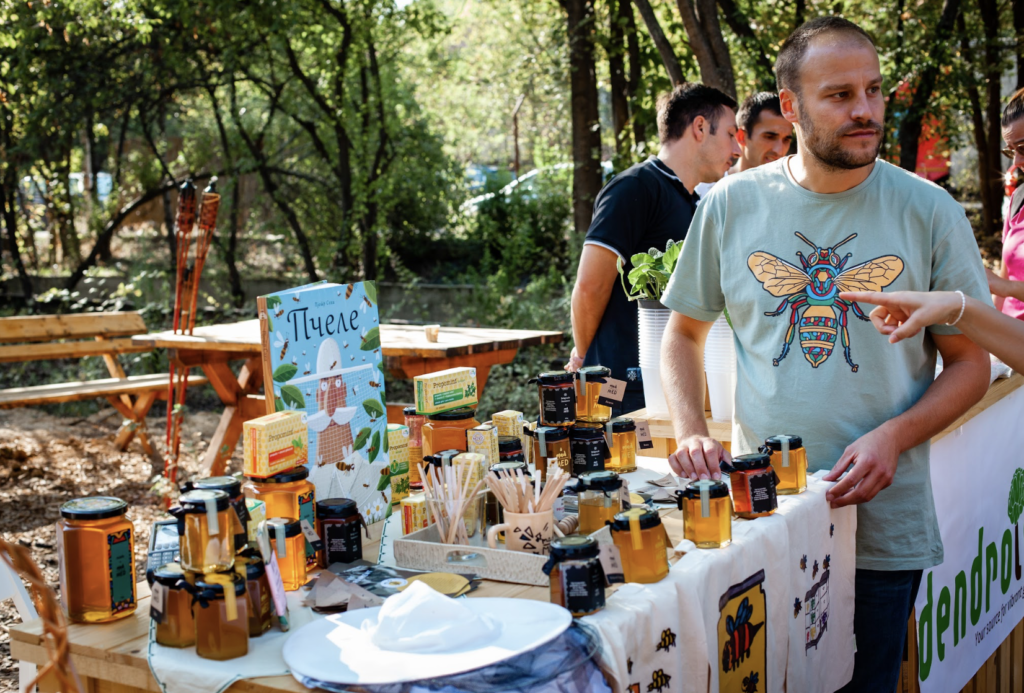
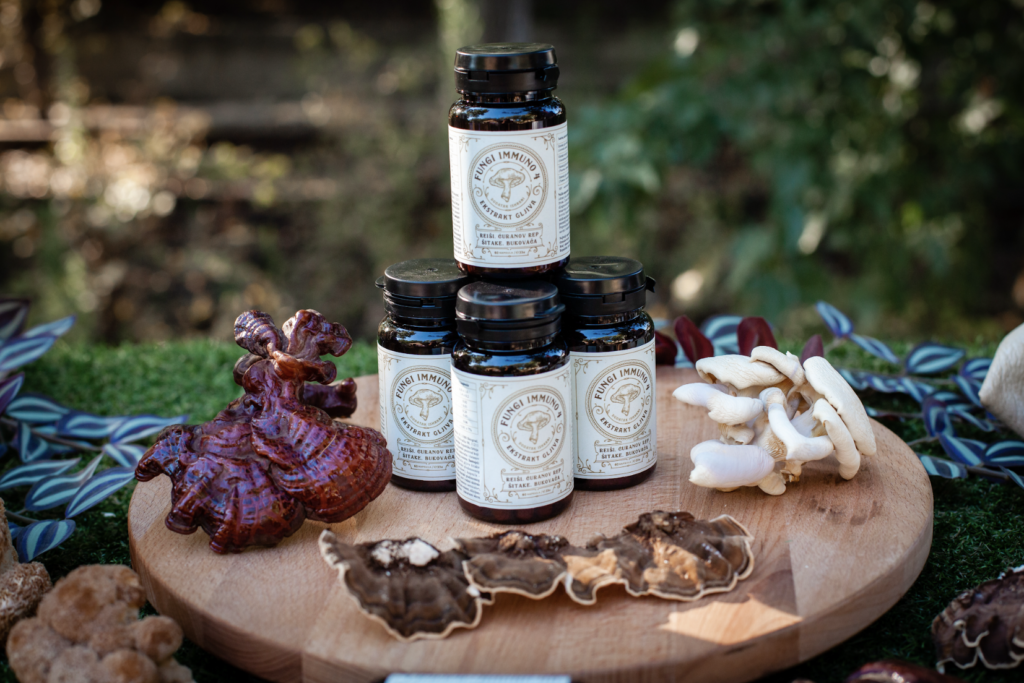
In the Honey Garden of Silosi, visitors discover products and art connected to nature: organic juices, honey, balms, teas, perfumes, mushroom products, microgreens, terrariums, handicrafts, and herbal preparations. Every item on display has a story and a connection to nature, and everything is made with love and sustainability in mind.
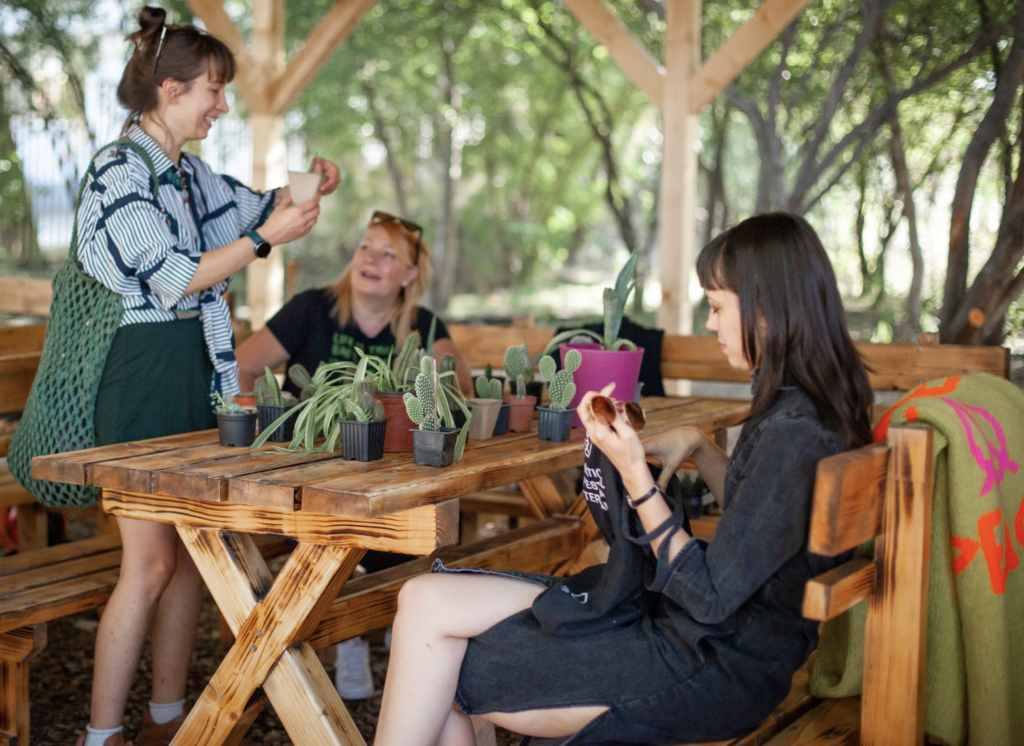
During the bazaar, various workshops and talks are also held: from getting to know bees and touring the Honey Garden, through a lecture by our renowned herbalist Momčilo Antonijević, to tips and talks with Meli Plants and our favorite Plant Swap, where visitors can bring their own plants, pots, or cuttings and trade them for others.
The Naturalists’ Bazaar is a place to socialize, learn, and get inspired—where every visitor can connect with nature, expand their knowledge, and enjoy the scents, colors, and energy of the Honey Garden.
API Chamber in the Honey Garden of Silosi
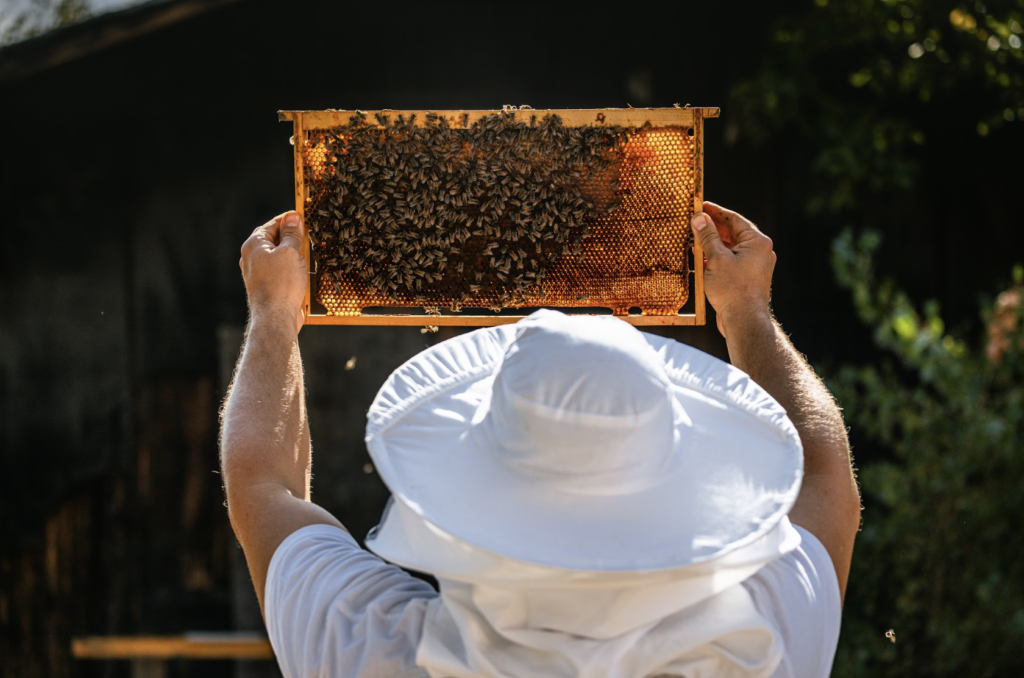
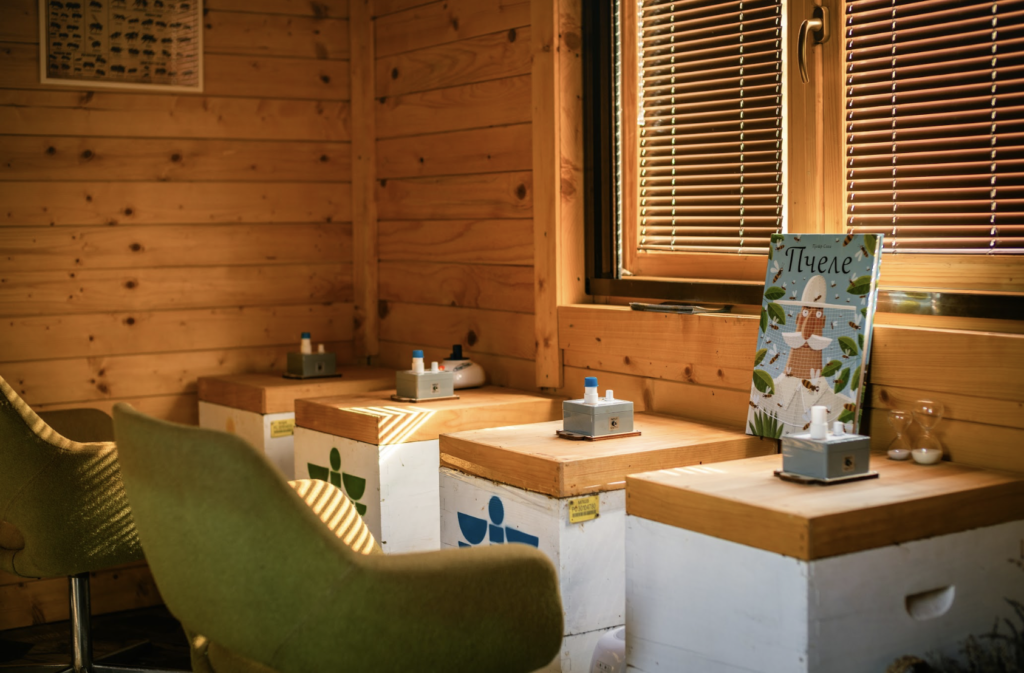
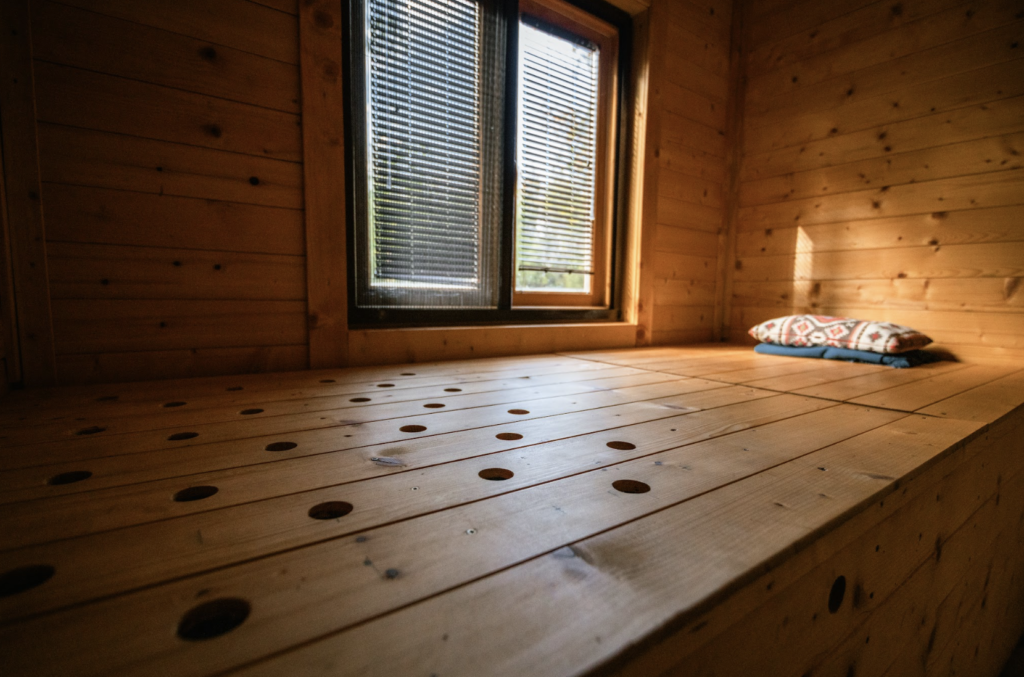
Since 2023, the API chamber in the Honey Garden of Silosi has been offering visitors a unique apitherapy experience—treatments in a space filled with the energy and vibrations of bees. Throughout the season, every corner of the API chamber was a place of peace and natural balance, where visitors could feel the benefits of bees.
What is apitherapy?
Apitherapy is a therapeutic approach that uses bee products and the energy of bee colonies to strengthen health and well-being. By spending time in the API chamber, visitors breathe in the benefits of the beekeeping environment—honey, propolis, wax, and bee pollen—while the vibrations of the bees have a relaxing effect on body and mind.
Apitherapy helps with:
strengthening the immune system
reducing stress and tension
relaxing the body
creating a sense of natural balance and peace
Staying in the API chamber offers a unique experience of connecting with nature, where science, health, and ecology come together in a safe and inspiring space.
During 2025, the API chamber was open until the end of the season in October, while new sessions are planned for late April the following year. Each visitor’s first visit included a check-up treatment with Dr. Plavšić, which walks them through the use of apitherapy and introduces all of its benefits.
In addition to treatments, visitors had the opportunity to learn about apitherapy and its benefits during social gatherings and educational programs in the Honey Garden, including celebrations of the World Apitherapy Day.
Honey Garden, Silosi Belgrade
Supernatural Festival 2025 - Nature, art and togetherness at Dom kulture Silosi
This year, the Supernatural festival triumphantly returned to Silosi, celebrating its 18th birthday in a place where culture breathes at full capacity. Several thousand visitors enjoyed a unique blend of nature, music, art, and knowledge, which filled Sunday, June 22—the longest day of the year.
The festival celebrated nature as an inexhaustible source of inspiration and life. The central symbol of the event was the bee, whose spirit and importance were present in every corner of the program. As part of the Silosi Bee Center, together with the youngest volunteers, the first plants were planted for the future bee corridor—a space that will be an oasis of honey-bearing plants, vital for the survival of these precious pollinators.
Through workshops, visitors could learn about medicinal herbs, create art from waste, make tinctures, and learn about the importance of bees for our ecosystem. One of the special moments was the foraging of wild plants and the preparation of a goulash made from as many as one hundred types of mushrooms, prepared by the well-known chef Neša Travka.
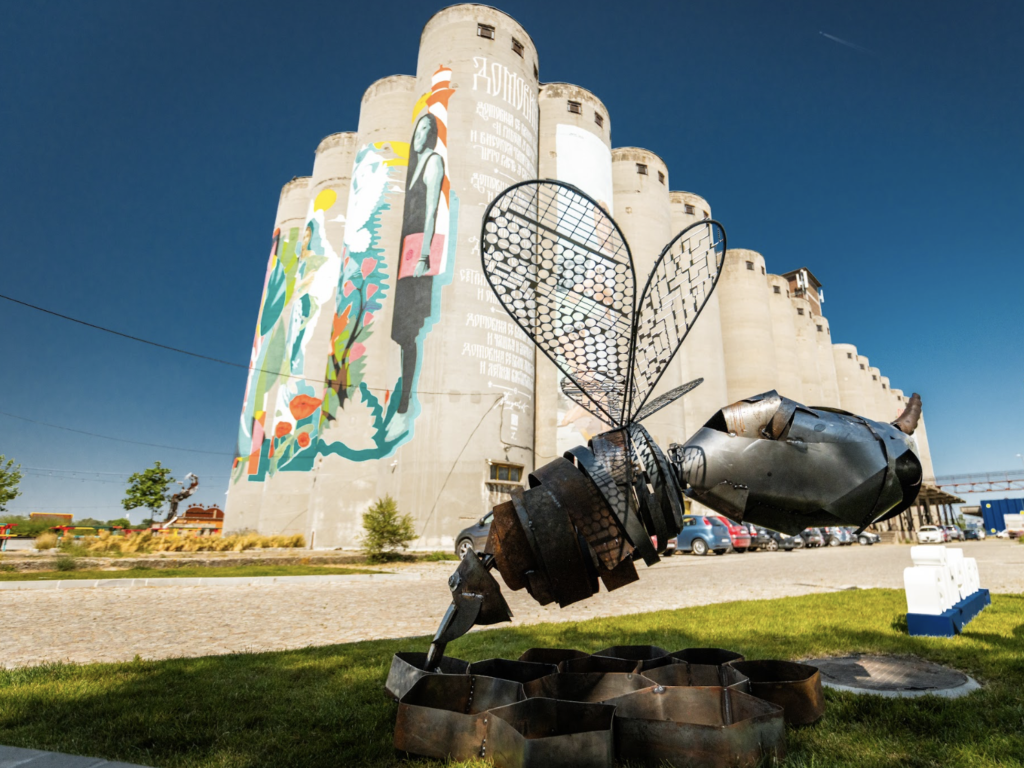
The festival was also a meeting point of contemporary art and ecology—in the Yettel Galerija, works by artists Viktor Kiš, Boris Deheljan, and Aleksandar Gligorijević were presented, created using the upcycling technique, transforming waste into sculptures of great artistic value. A special gift to Belgrade was his installation “Hani”—an impressive bee sculpture that will permanently remain at Dom kulture Silosi as a reminder of the importance of nature and our collective responsibility.
The music program filled the festival with live rhythms and positive energy—from DJ Filip Miljuš’s organic music, through the emotional vibrations of Razvigor, to the explosive performances of Stereo Banana and Ida Prester & Lollobrigide, who celebrated freedom, sound, and nature.
Once again, Supernatural showed that it is possible to combine ecology, art, community, and innovation into a unique festival experience that connects people with nature and with one another.
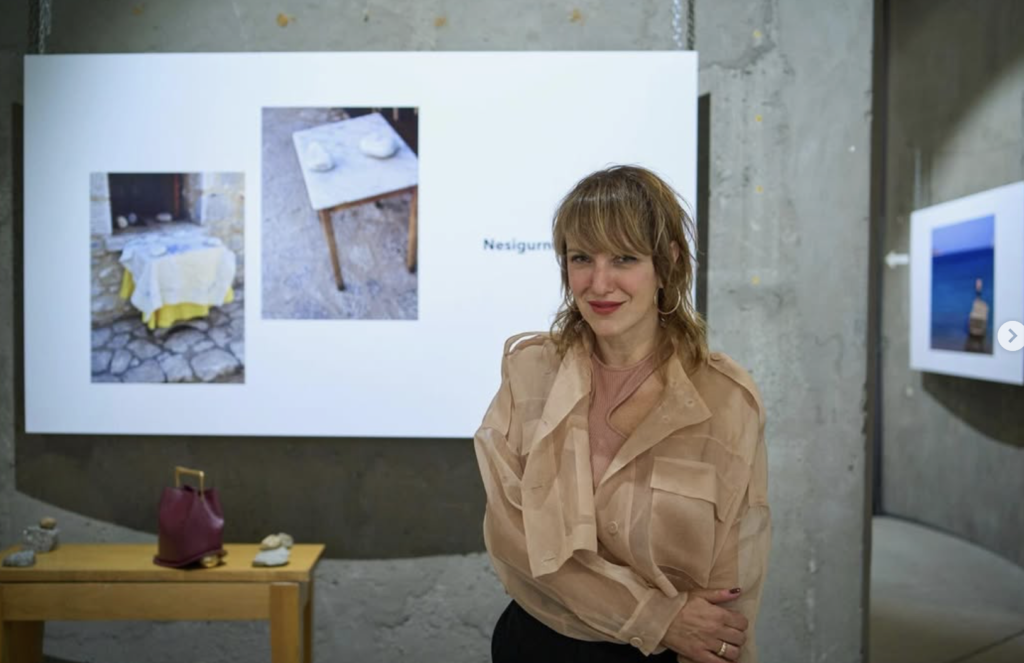
Maja Uzelac Exhibition – “Second Hand Emotion”: a visual essay on the human, nature, and the society of the spectacle
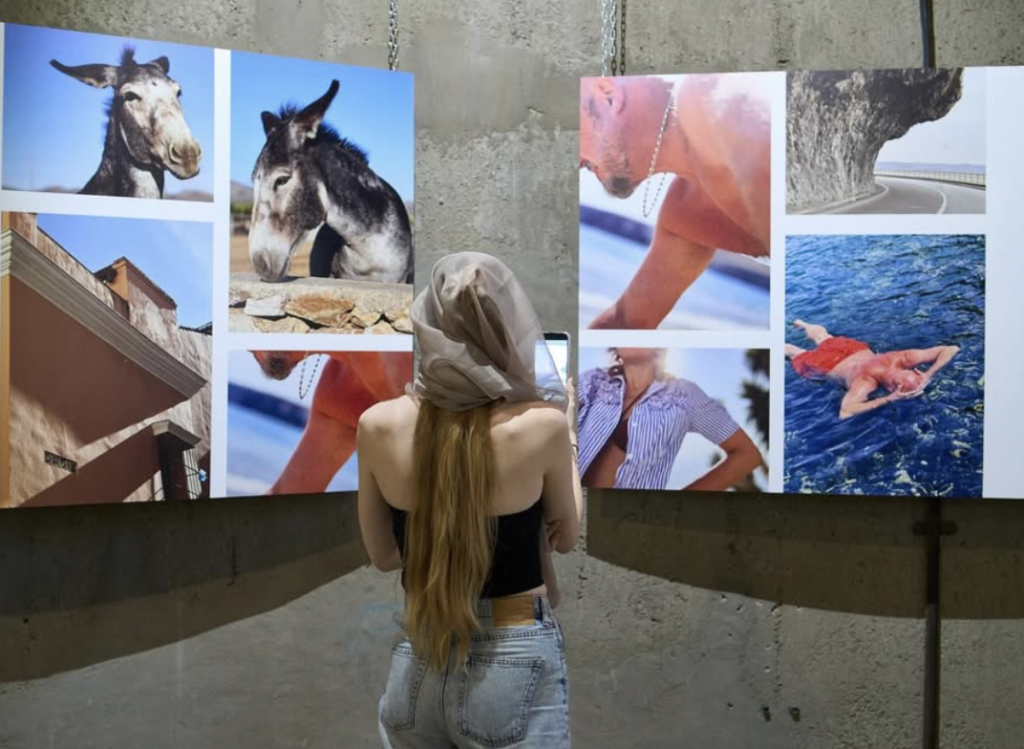
Maja Uzelac’s first solo exhibition at Silosi brings a multimedia installation that explores, through video, photography, and writing, the complex connections between perception, memory, and emotion in the contemporary world. The exhibition “Second Hand Emotion” presents a visual essay on the constant and tense relationship between humans and nature, told through contemporary stereotypes and everyday rituals.
Through diptychs, triptychs, and sequences of images, the work builds eco-anxious poetry—a rhythm that condenses meaning while also slowing the flow of time. The camera, as in Maja’s film works, is present between the scene and the eye, while media narratives and internet simplifications shift in the background. The exhibition follows a witty tension between expectation and reality, with loneliness as the central emotion of the contemporary human.
As Mihael Milunović says, Maja Uzelac’s work “moves like a quiet current, following the fragile connections between perception, memory, and emotion, woven into formal and symbolic analogies that create a fabric—at once fragile and enduring—a meditation on the hidden textures of life itself.” Srđan Veljović points out that this is a “series of images taken from life, where the story tries to tame through direction while time leaks away and the future is chased.” Zorana Đaković Minniti adds that “images of bends, monuments, advertisements, signs, streets, people, and their reflections are places of refuge and tension through which we ourselves move, trying to understand what we are running from, what we aspire to, and what awaits us.”
Maja Uzelac is a director, linguist, and author known for numerous artistic and cultural projects—from the cult TV show Kulturni nokaut to award-winning music videos, fashion films, and the documentary film Ej Salaši. She is the founder of the creative studio Lava Pop and is known as a spokesperson for Belgrade, a cultural worker, and a DJ.
The exhibition’s visual identity is credited to Jakov Ponjavić.